Mobility Aids Tips From The Top In The Industry
Mobility Aids – Empowering People to Rewrite the Story of What's Possible Mobility aids are made to assist those with disabilities or long-term health conditions get around. Mobility aids range from canes to walking frames to wheelchairs and scooters. Physiotherapists and occupational therapists can advise on which mobility aids will best fit your needs. They will look at your the history of your medical condition and lifestyle. It's easy to get around Mobility aids can assist people who are recovering from an accident or who have disabilities that are permanent to be able to move around. They can also redefine their world. From traversing with crutches to embracing stability using walking frames and cruising confidently on scooters, these devices give people the ability to move. By helping users overcome their limitations and redefine their lives they can transform their everyday tasks into achievements and social events into opportunities. It is crucial to select the right device for your requirements in order to ensure safety and independence. It is important that the device be installed by a medical professional experienced in this field and to adhere to the maintenance schedule. Inability to follow the maintenance schedule could result in an accident. Occupational therapists and physiotherapists are the most qualified professionals to assess one's unique needs and recommend the best mobility aid for them. Many people are reluctant to use mobility aids despite their advantages. This is due to a stigma that has been connected to feelings of self-pity, shame, and depression. In addition, some people are concerned that using a mobility aid will make them look weak and old. In a study that included non-device users of color, one Black participant said that she didn't want an official sign for handicapped people because she didn't want to be perceived as “crippled” or “an older lady.” Clinicians should promote mobility aids in a positive way to reduce negative perceptions and encourage their use. Particularly, they should stress that mobility aids can help prevent falls and enable one to be more active without having to worry about becoming exhausted or posing a danger to others. It is also important to keep in mind that mobility aids do not replace exercise but rather complement it. Ask them about how they've benefited from their mobility aid. With the appropriate mobility aid, your loved ones will be able to enjoy freedom and live life to the maximum. 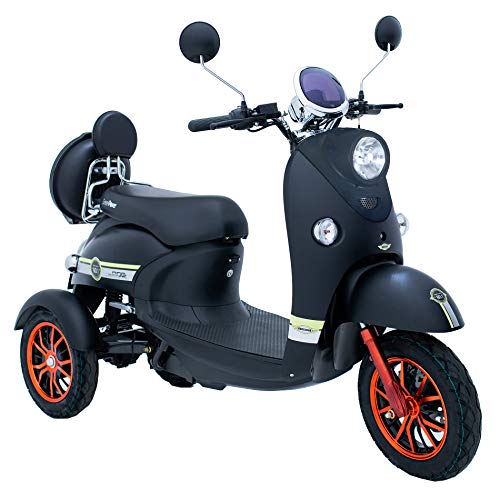 They relieve pressure on affected areas Mobility aids relieves pressure of areas affected by injury or disability. This is particularly beneficial for those suffering from conditions like cerebral palsy, arthritis or diabetes that affects the feet and legs. This will help prevent further injuries, or breakage, of the affected area. It also makes it easier for those who have limited mobility. The mobility devices that are available can help take the weight off of the affected leg, foot or knee, hip or ankle. They also can help alleviate pain that is associated with these conditions, making them easier to live with. The recommended device will depend on the severity of the condition and should always consider the individual's lifestyle, requirements, and environment. Mobility aids can have many advantages however they can be difficult for older people to accept. This is particularly relevant for those who aren't accustomed to using mobility aids. In a study, researchers found that a large number of seniors who could benefit from a mobility aid avoid doing because they fear being stigmatized. This is especially the case among Black and Hispanic participants, who feared being viewed as “posers” who were not really in need of their devices or were simply trying to gain advantage. To counteract these feelings of stigma, it is important to discuss the use of mobility aids with the help of a healthcare professional who is knowledgeable about the available options. This will help to ensure that the person is trained to make use of the device and get the maximum benefit from it. This may include occupational therapists or physiotherapists who can provide essential instructions and guidance on how to make use of the device safely. The healthcare professional may also recommend specific techniques and exercises that can be performed to improve mobility. These exercises can improve the strength of your muscles and improve your balance, reducing the risk of falling due to the device or by the user. They Give You a New Perspective on Life Mobility aids don't only provide tools, they also empower individuals to change their perception about possibilities. They free you from the limitations, and they let you move around with confidence. You can live your life to the fullest, whether you're riding on scooters or cruising the world with crutches. Participants of all races and ethnicities used mobility aids because they wanted to be independent. They wanted to “go wherever they want without waiting for anyone to arrive,” and they didn't want their aids to mobility to be seen as a source of problem. However, many participants felt a stigma associated with mobility aids. They feared being viewed as having a disability, declining health or as an older person. The stigmatization of this perception could deter users from using mobility aids, particularly in the minority population. This can be addressed with increased physician involvement as well as positive peer models. affordable, safe and visually attractive devices. For the majority of people the most popular mobility aid is a walking frame or a cane. They offer stability by providing an additional point of contact with the ground. They also increase a person's centre of gravity to prevent falls. These are particularly beneficial for those who are at risk of falls, such as those with conditions that cause lower balance or those with a higher risk of falling. The stairlift is a different popular mobility aid. Stairlifts can be a great method to cut down on time during the day, as they do away with the need to climb or climb steps. This lets users safely complete their activities of daily living and to spend time with their loved ones without fear of falling down the stairs. If you're thinking of buying mobility aids, you should be evaluated by an Occupational Therapist (OT) or Physiotherapist (PT). They can suggest the best device to meet your requirements based on a thorough functional capacity assessment that considers gait, balance, cognition, and cardiovascular, musculoskeletal, and neurological systems. They can also prescribe the device and suggest accessories to enhance your personalisation and functionality. A lot of these devices can be financed through the National Disability Insurance Scheme. They're affordable There are many options available for mobility aids, whether you only require one for a few months or you want to use a scooter to explore the outdoors for the remainder of your life. You might be tempted to buy a scooter online however, it's important to consult a healthcare professional or mobility specialist to find the most appropriate solution for your specific needs and preferences. It's crucial to remember that the right mobility device will relieve away the pressure on your affected areas, allowing you to move more efficiently and reduce discomfort and pain as well as the chance of falling. The aim is to allow you to take part in the activities that are important to you, and to rewrite your own story of what's possible. Mobility aids go beyond technological devices or tools. They're a way to be free. Through enhancing balance and stability, strengthening your muscles, and enhancing walking patterns, mobility aids can be your ally on the path towards independence. There are a variety of options for everyone, from walkers and canes to wheelchairs. It is recommended to consult the physical therapist as well as a healthcare professional prior to buying a wheelchair to determine your exact needs. Think about the terrain you'll encounter, especially for instance, if stairs are required and how much weight you'll be able to support. best portable electric mobility scooter is also important to ensure that the wheelchair you choose will fit through any doorway and is equipped with all-terrain wheels to handle outdoor challenges. You can further personalise your mobility aid with accessories, such as storage pouches, trays and storage bags, cup holders, and many more. It is essential not to add too many accessories as they may impact the device's ability to absorb shocks and improve its maneuverability.